
Last updated August 25, 2026
Free on-site gate assessment - hinges, posts, and your LiftMaster or Nice gate operator checked before anything is quoted
The assessment is free and the quote is the invoice.
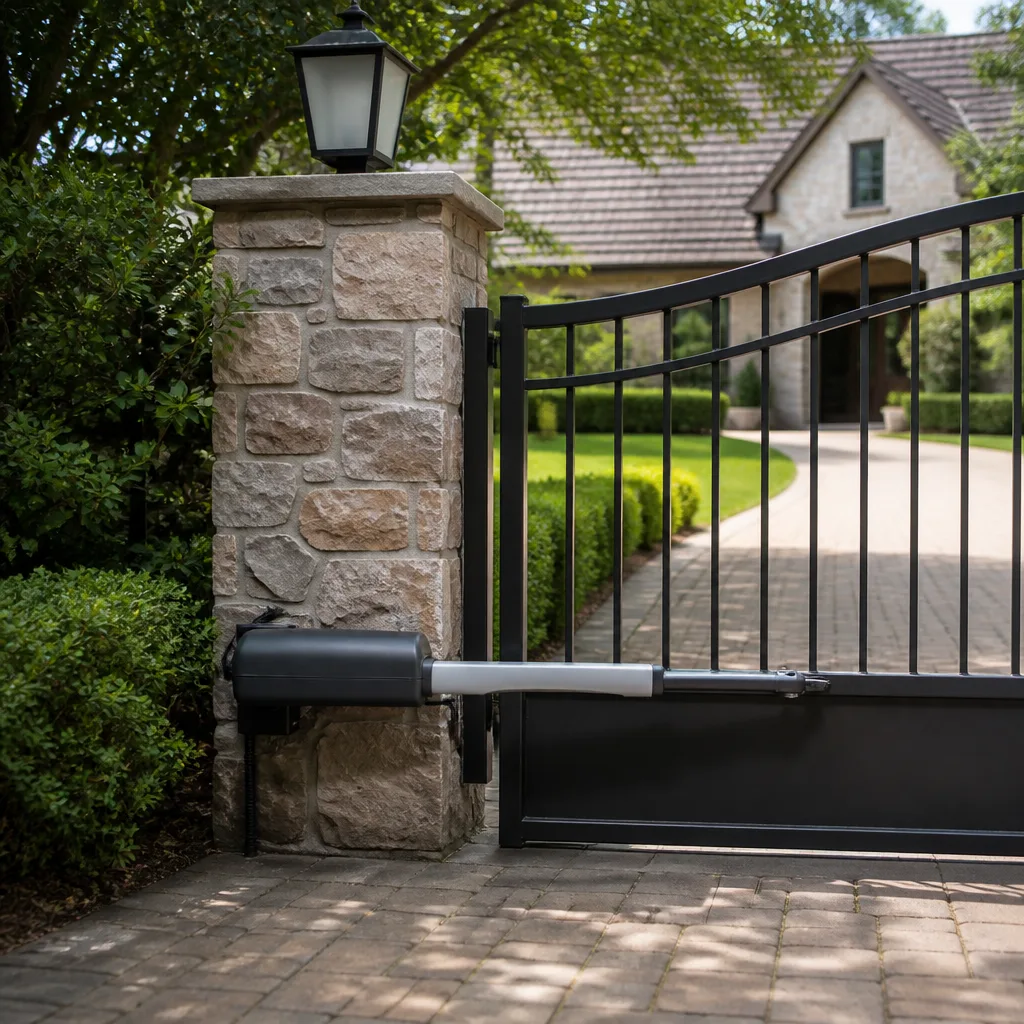
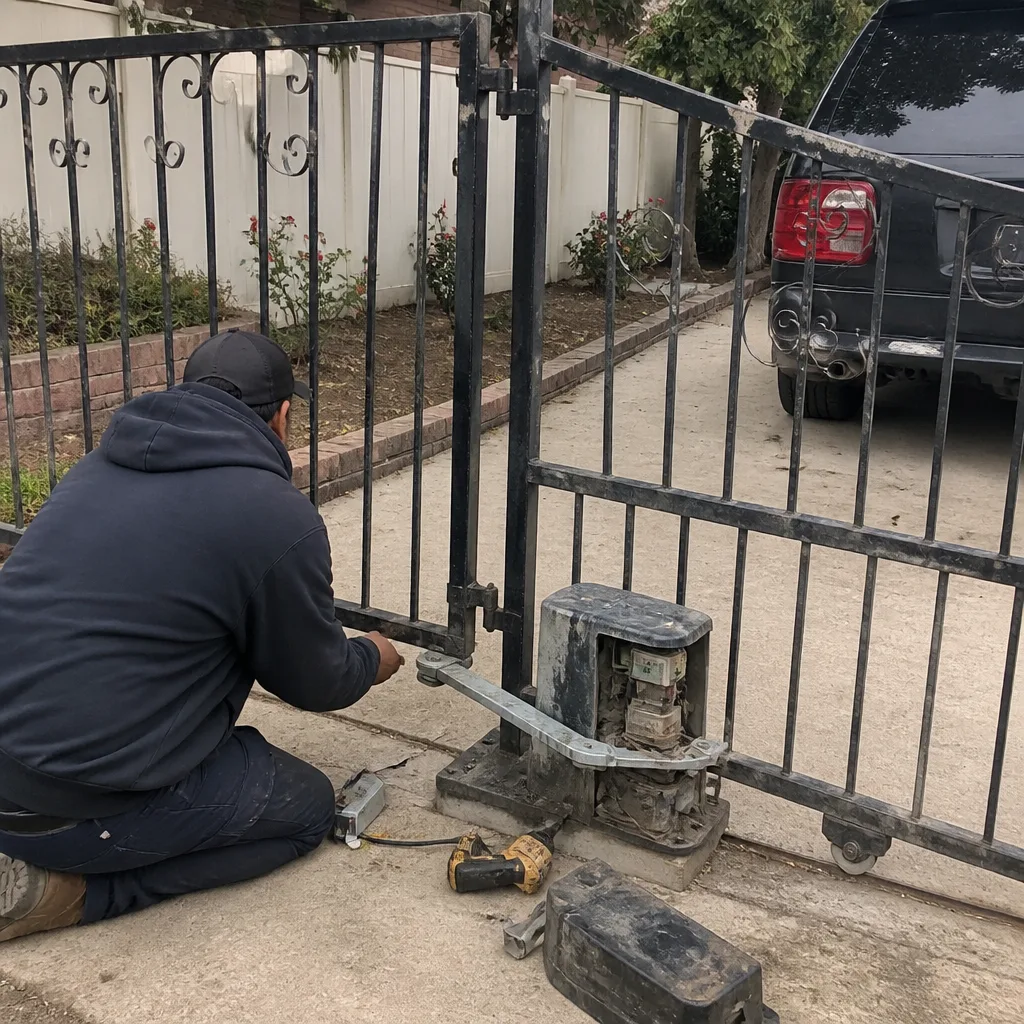 Before
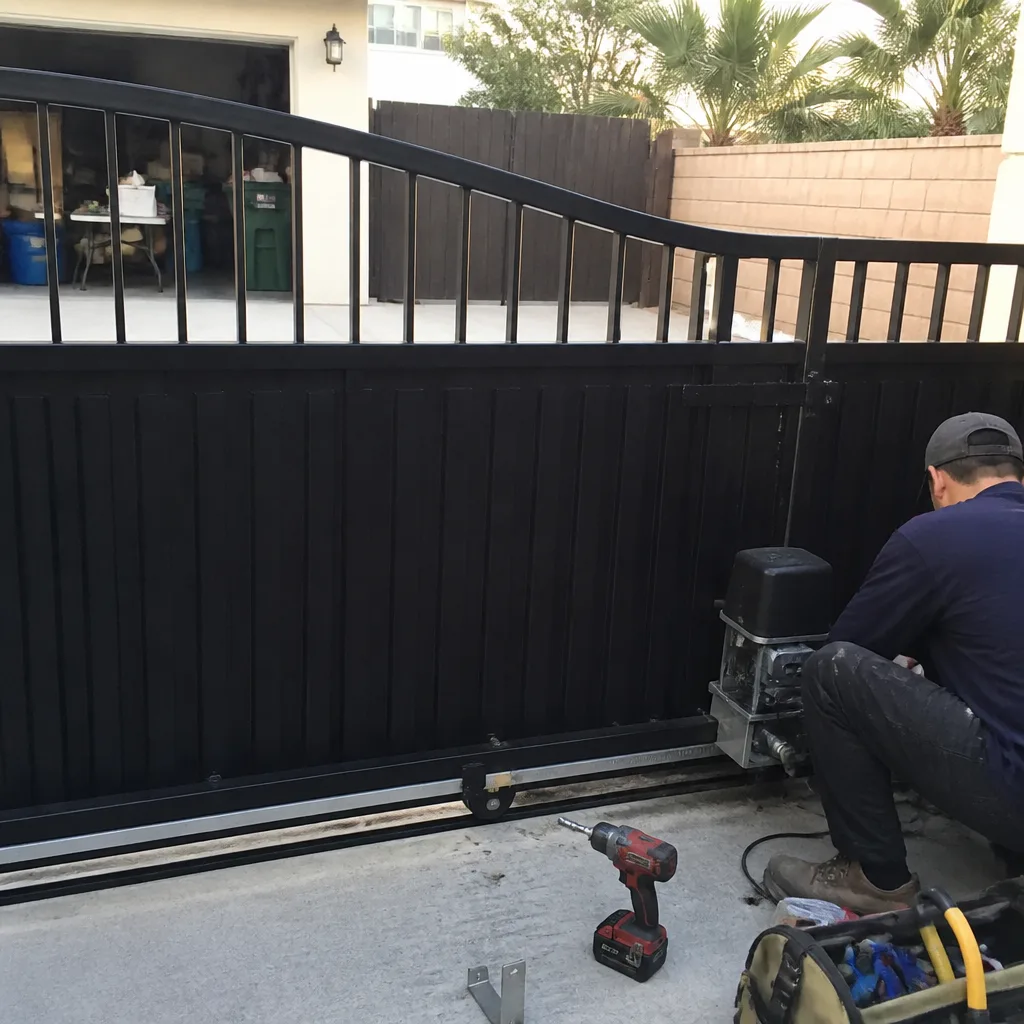 After
After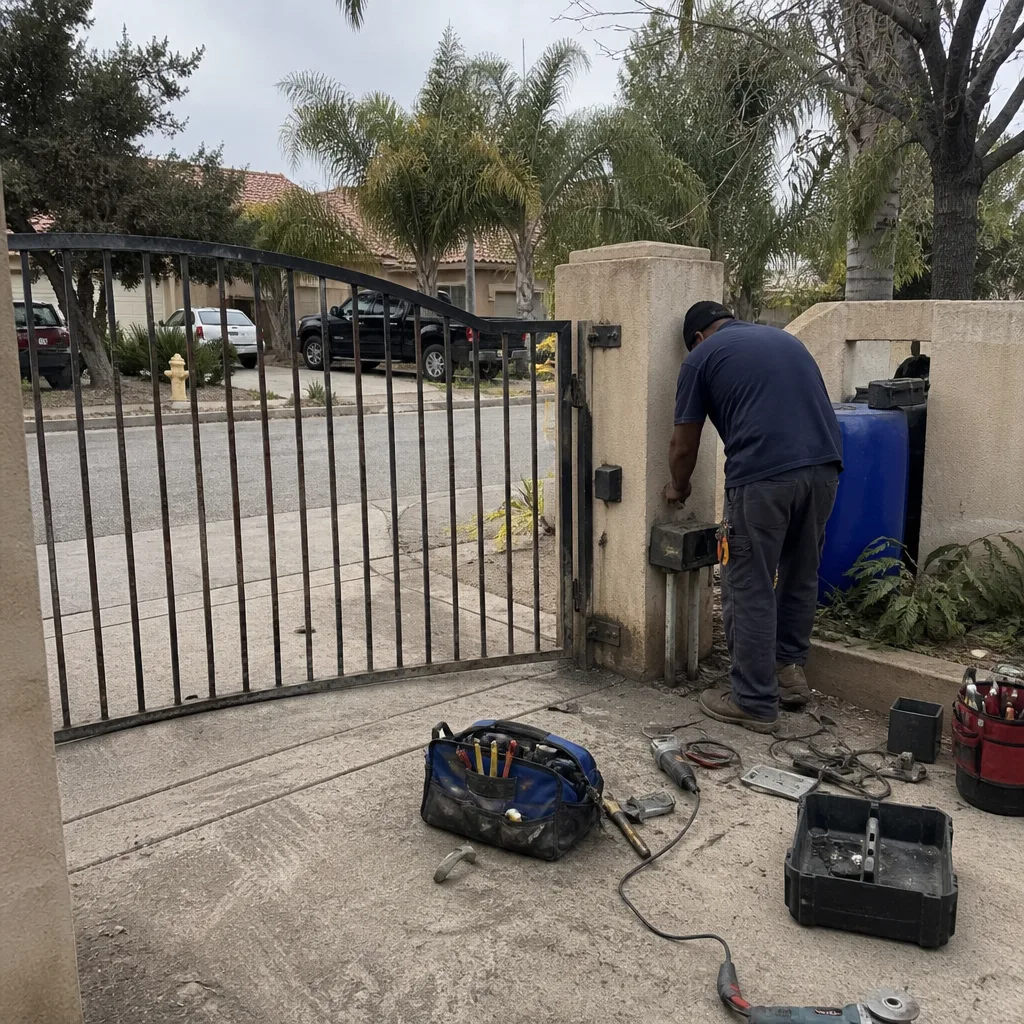 Before
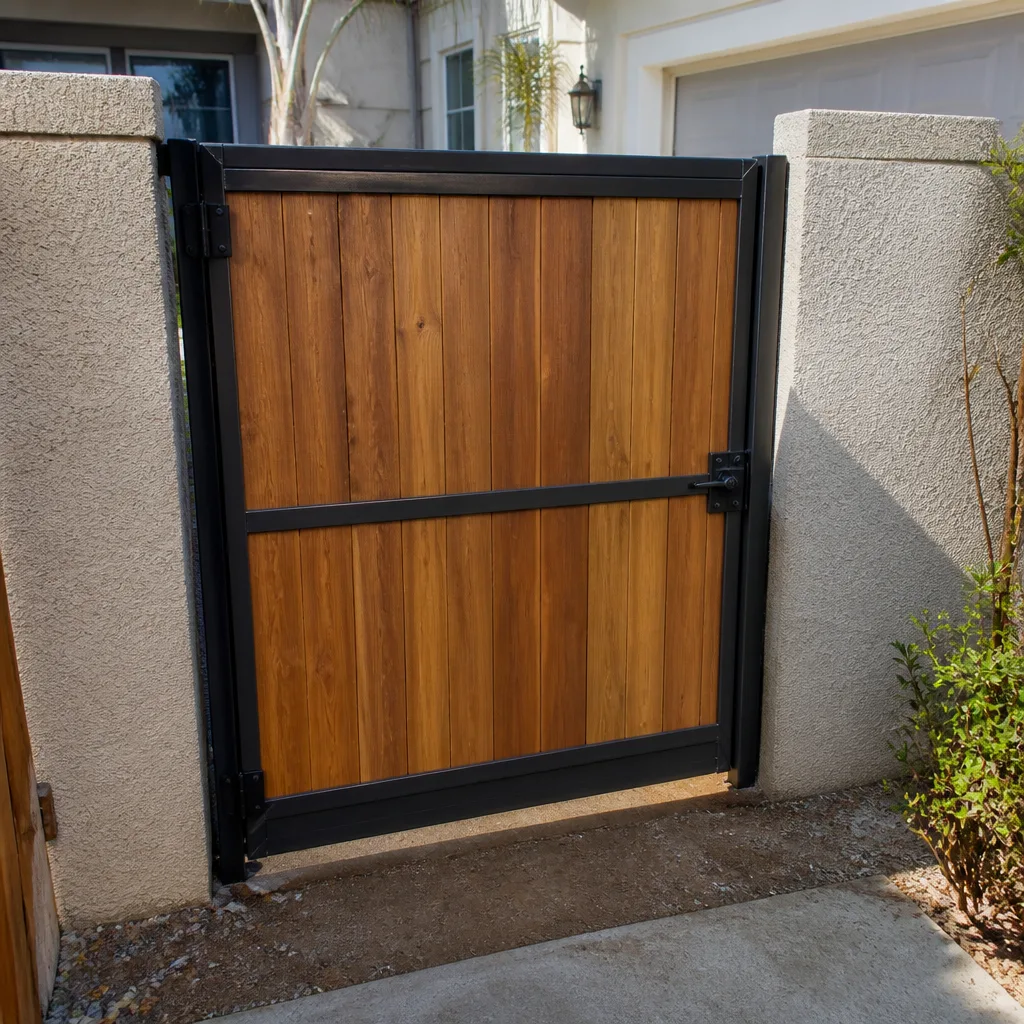 After
After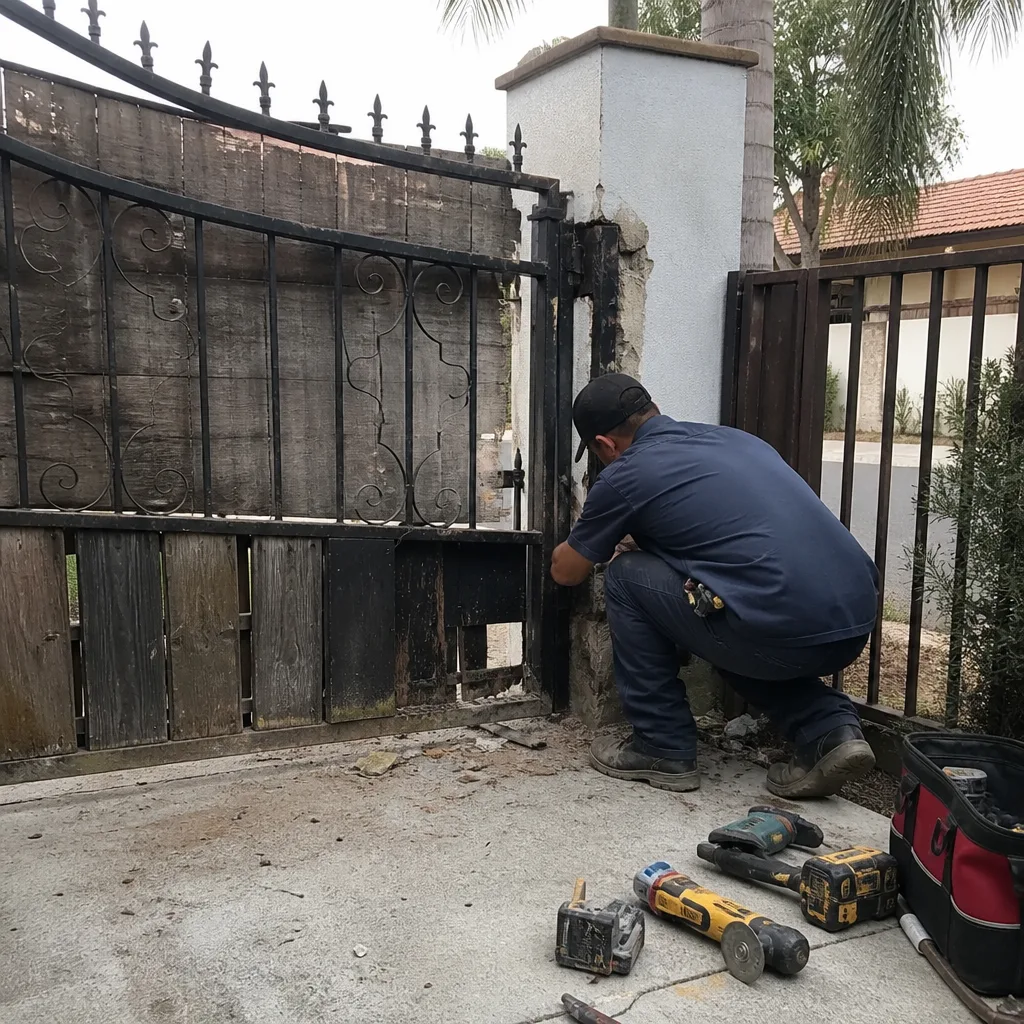 Before
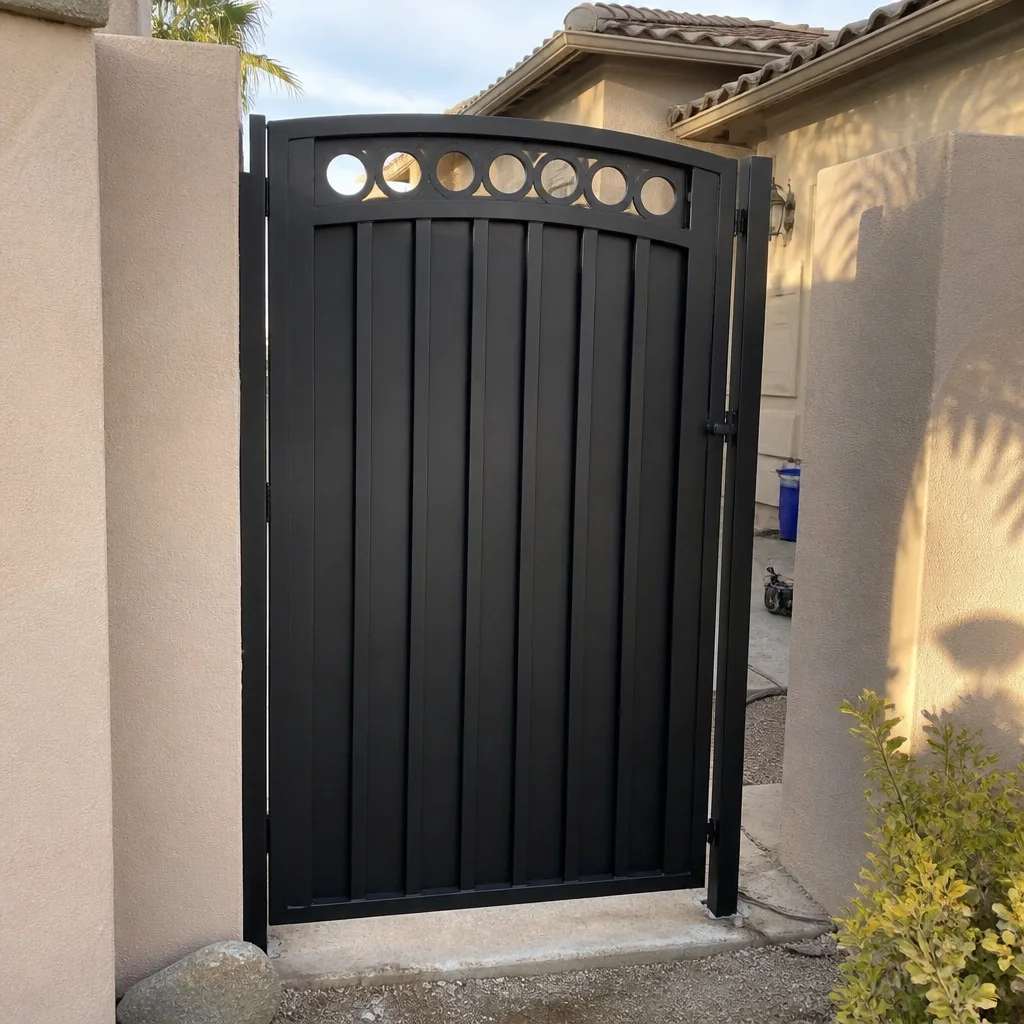 After
AfterGate Repair Permits, Codes & Inspections in CA: What You Need to Know
Most homeowners in California don’t realize that a gate is one of the most regulated features on their property. The state has more than a dozen code sections governing everything from gate fall protection to opener safety features, and a surprising number of gates in Alhambra were installed before these rules existed. This means a gate that has worked fine for twenty years may not meet today’s legal requirements. This guide explains the permits, codes, and inspections that apply to gate repair and installation in California, what triggers them, and how to avoid the expensive mistakes we see regularly.
Quick Answer
In California, most gate repairs do not require a permit, but gate installations, structural modifications, and any work involving new electrical wiring usually do. Gate codes are set at the state level under the California Building Code (CBC) and the California Code of Regulations, while cities like Alhambra add local enforcement and inspection requirements. The most important rules govern gate safety sensors, secondary entrapment protection, and proper swing direction for pedestrian gates.
Table of Contents
- When a Permit Is Required for Gate Work in California
- California Gate Codes Every Homeowner Should Know
- Gate Opener Safety Requirements (The UL 325 Standard)
- Alhambra-Specific Permitting and Inspection Rules
- What the Inspection Process Actually Looks Like
- HOA Requirements That Override or Add to City Codes
- Common Mistakes to Avoid
- When to Call a Professional
- Frequently Asked Questions
- The Bottom Line
When a Permit Is Required for Gate Work in California
The short answer: a permit is generally required when you are installing a new gate, moving an existing gate, pouring new footings, or adding electrical service to power an automatic opener. A permit is generally not required when you are replacing hinges, welding a cracked post, swapping out an opener motor on existing wiring, or replacing a broken picket on an otherwise sound frame.
California state law clarifies this through the California Building Code, specifically CBC Section 105.2, which lists exempted work. Minor repairs and maintenance fall under the exemption. But the moment the work touches structure or electrical, the exemption ends. In Alhambra, the city’s Building and Safety Division follows the CBC closely, and their inspectors apply a simple test: does the work change how the gate is supported, how it swings, or how it receives power? If the answer to any of those is yes, expect to pull a permit.
Here is a practical breakdown of common gate jobs and whether they typically require a permit in Alhambra:
- Hinge replacement on an existing gate: No permit. This is maintenance.
- Welding a broken post or frame: No permit, provided the gate is not being relocated or resized.
- Replacing an automatic opener motor: No permit if the existing electrical circuit and conduit are reused.
- Adding a new automatic opener where none existed: Permit required. This involves new electrical work.
- Installing a new driveway gate: Permit required. New footings and structural work trigger review.
- Replacing an entire gate with one of a different size or weight: Permit required if post footings must be enlarged or the swing path changes.
- Adding a pedestrian gate alongside a driveway gate: Permit required. This is new construction.
If you are unsure, the Alhambra Building and Safety Division can confirm whether your specific project needs a permit. We recommend calling before any concrete is poured. In our experience fixing gate jobs that went sideways, the most expensive “free” work we see is a homeowner who skipped the permit, sold the house, and had the sale held up because the gate was unpermitted. Banks and title companies check.
California Gate Codes Every Homeowner Should Know
California codes treat a gate as both a structure and a machine. That means two sets of rules apply: structural rules from the California Building Code, and safety rules from the California Code of Regulations and applicable UL standards. Understanding both is the difference between a gate that passes inspection and one that gets red-tagged.
Here are the key code sections that apply to residential gates in Alhambra and throughout the state:
- CBC Section 1010.1.9.4 (Gate swinging direction): Gates serving a means of egress must swing in the direction of travel when exiting. This applies primarily to pedestrian gates adjacent to commercial properties, but some Alhambra neighborhoods with narrow setbacks trigger a similar review.
- CBC Section 1010.2 (Gate width and clearance): Pedestrian gates must provide clear opening widths. A gate that swings over a stair or landing may be noncompliant if it reduces usable width below code minimums.
- California Code of Regulations, Title 8 (Workplace gates): Applies to commercial and multifamily properties. If your Alhambra duplex or apartment has a gate, this rule is enforced.
- UL 325 (Automatic gate operator safety): The standard that governs entrapment protection devices, reversing edges, photo eyes, and audible alarms on automatic gates. California adopts this by reference for all residential automatic gate installations.
- ASTM F2200 (Gate construction standard): Sets minimum structural standards for fabricated gates, including picket spacing, latch requirements, and astragal protection. Many cities, including Alhambra, reference ASTM F2200 in their residential gate plan reviews.
- NFPA 70 (National Electrical Code): Governs wiring methods for gate openers, keypads, loop detectors, and any line voltage work on an automatic gate.
A quick note on ASTM F2200: it includes rules that surprise homeowners. For example, gate pickets cannot create a ladder effect or a pinch point as the gate opens. Any gate with openings between 2 1/4 inches and 8 inches wide can create an entrapment hazard for children. A gate that was fabricated in a backyard shop in 1995 may fail this standard outright, and an Alhambra inspector will flag it if the gate is being relocated or substantially repaired.
We’ve worked on Alhambra gates that predate every one of these codes. The homeowner’s original gate often swings fine and looks beautiful. But when it needs work, the repair must bring the relevant components up to current code. You cannot legally repair a noncompliant automatic gate opener with an identical noncompliant part.
Gate Opener Safety Requirements (The UL 325 Standard)
The UL 325 standard is the single most important document for anyone with an automatic gate in California. It governs how gate operators must behave when something, or someone, is in the path of a moving gate. The standard was updated in 2016, and many Alhambra homes have openers installed before the update, meaning they lack required safety features.
UL 325 requires two types of entrapment protection for automatic gates:
- Primary entrapment protection: This is an inherent device built into the operator, such as a reversing mechanism that stops and reverses the gate when it encounters resistance. Think of it as the gate’s version of your garage door’s auto-reverse.
- Secondary entrapment protection: This is a separate, external device such as a photo eye (non-contact sensor) or a reversing edge (contact sensor) mounted on the gate itself. The secondary protection must remain functional even if the primary system fails.
Here’s the part most homeowners don’t know: a gate opener that only has primary protection, or only has secondary protection, does not meet current California requirements. The gate needs both. Every automatic gate installation we perform in Alhambra includes both layers of protection and is tested under load to confirm the reversing force is set correctly.
We recommend checking your existing gate today. Stand near the gate and press the remote. Does the gate reverse when it contacts moderate pressure? Is there a photo eye mounted on the gate posts, with a visible beam? If you answered no to either question, your gate opener is missing required safety equipment. On brands like DoorKing and Ghost Controls, older models frequently lack these features entirely. Upgrading to a UL 325-compliant opener from Linear or Viking is a straightforward fix that also brings the entire installation into compliance.
One more code point: UL 325 requires an audible alarm to sound if the gate encounters an obstruction twice in a row before reversing fully. This is not a convenience feature. It is a code-mandated warning system.
Alhambra-Specific Permitting and Inspection Rules
Alhambra is a city of older homes, narrow lots, and established neighborhoods. That changes how gate codes are applied in practice. The city’s Building and Safety Division enforces the California Building Code, but local conditions affect what gets flagged and what slides.
First, the big one: Alhambra is in a seismic zone. That means gate post footings are reviewed more carefully than in other regions. The CBC requires that gate posts have adequate embedment depth and concrete volume to resist overturning forces during an earthquake. A gate post set three feet deep in a Sonoma vineyard might be fine. In Alhambra, with our soil conditions and seismic requirements, the same post may need a larger footing, more steel, or a deeper embedment. When we pour new footings for driveway gates in Alhambra, we typically exceed the CBC minimums because a gate that leans after the next shaker was never really done right.
Second, Alhambra’s setback requirements are older and sometimes tighter than newer cities. If your home sits close to the sidewalk, your gate swing may be constrained by the property line. The city reviews each gate installation for swing direction and clearance. A gate that swings outward over a public sidewalk is generally prohibited, and the city enforces this. In the neighborhoods north of Main Street, where lots are deep but narrow, driveway gates often must slide rather than swing simply because there is not enough room for a swing-gate radius.
Third, Alhambra’s permit fees for gate work are relatively modest, typically a few hundred dollars depending on the scope. Electrical permits (for new opener circuits) are often issued separately. The total cost of permitting a new automatic driveway gate in Alhambra, including electrical review, usually lands between $400 and $800. That is money well spent compared to the cost of removing and redoing an unpermitted installation.
We recommend that anyone planning a gate installation in Alhambra call the city’s Building and Safety Division at the start of the project, not the end. They answer the phone, and they are helpful. Ask specifically whether your proposed gate location, swing direction, and opener plan will require plan review.
What the Inspection Process Actually Looks Like
If your gate job does require a permit in Alhambra, the inspection process is not as intimidating as it sounds. Here is the sequence, step by step:
- Submit the application: You or your gate contractor submits a permit application to the Alhambra Building and Safety Division. For a typical driveway gate, this includes a site plan showing gate location, swing direction, and distance from property lines. For automatic gates, the electrical plan must show the circuit, conduit, and operator mounting details.
- Plan review: A plans examiner reviews the submission for code compliance. This typically takes one to two weeks for residential gate work in Alhambra. If the gate is purely decorative and manual, the review may be same-day.
- Permit issuance: Once approved, the city issues the permit. Work can begin immediately.
- Footing inspection: After post holes are dug and steel is set, but before concrete is poured, the inspector visits to confirm depth, diameter, and reinforcement. This is called a footing or “pre-pour” inspection. Skipping it is a common and costly mistake, because the inspector will require the concrete to be broken out to confirm the footing.
- Electrical rough-in inspection: If a new opener is being installed, the inspector checks the conduit, wiring, and junction boxes before the circuit is energized.
- Final inspection: Once the gate is hung, the opener is installed, and all safety devices are mounted, the inspector returns for a final walk. They will check swing direction, post plumb, safety sensor function, and opener reversal. For an automatic gate, the inspector will typically test the UL 325 safety features by placing an obstruction in the gate path.
The entire process, from permit to final sign-off, usually takes two to six weeks for a typical Alhambra automatic driveway gate. Most of that time is waiting for plan review and inspection appointments, not active work. If you are hiring a contractor, confirm that they pull the permit in their name and that the final inspection is scheduled before final payment. A contractor who asks you to pull the permit yourself is a flag. In Alhambra, the permit holder is legally responsible for code compliance, and you want that responsibility with the professional doing the work.
HOA Requirements That Override or Add to City Codes
In Alhambra, we have a map of HOAs and neighborhoods with covenants, conditions, and restrictions that go beyond city code. HOAs in communities like the Alhambra tract homes near Emery Park, the townhome developments south of Valley Boulevard, and several gated communities in the hills above Alhambra have their own architectural review committees.
Here is what homeowners need to know:
- Architectural review happens before the city permit. Most Alhambra HOAs require approval before you submit anything to the city. Submit early. Architectural review committees meet monthly in some communities, meaning a missed deadline costs you thirty days.
- HOA gate standards are often stricter than city code. An HOA may specify gate height, material, finish color, and even opener brand. We have replaced Alhambra gates where the HOA required a specific bronze finish that matched the community’s original hardware. The city doesn’t care about finish. The HOA absolutely does.
- Some HOAs prohibit certain gate types. Sliding gates are sometimes prohibited in communities with narrow setbacks, and certain cantilever gate designs are disallowed due to visual bulk. Always check.
- Noise restrictions can affect opener choice. An HOA may prohibit certain gear-driven openers that create audible noise. In these cases, a belt-driven or direct-drive opener from a quieter brand is the right call.
- Setback requirements may be more restrictive. Some Alhambra HOAs require gates to sit further from the street than city code requires. This can change whether a swing gate or slide gate is feasible.
One story from our work in the Alhambra hills: a homeowner installed a beautiful custom steel driveway gate without checking the HOA’s architectural guidelines. The HOA ordered the gate removed because the check was missed, not because the gate itself was problematic. The homeowner paid for the same gate twice. Read the covenants first, or have your gate contractor confirm the requirements in writing before fabrication begins.
The good news: this is something we handle regularly. When we install gates in HOA-governed neighborhoods in Alhambra, we review the CC&Rs as part of the bid, note any restrictions, and build to the stricter standard. The city and the HOA do not always agree, and the stricter rule always wins.
Common Mistakes to Avoid
- Assuming “repair” means “no permit.” Replacing a manual gate with an automatic one, adding a pedestrian gate, or reseating a gate on new, larger footings all require permits even though the old gate is being “repaired.” In Alhambra, the trigger is defined by whether structure or electrical is changing. When in doubt, call the city’s Building and Safety Division before starting.
- Pouring footings before the footing inspection. This is the most expensive mistake we see in Alhambra. The inspector cannot verify embedment depth or reinforcing steel after the concrete is poured. If you pour without inspection, the city will require the footing to be exposed or the work redone. Always wait for the pre-pour sign-off.
- Installing an automatic opener without both entrapment protections. A gate opener with only a reversing edge, or only a photo eye, fails UL 325 and California code. Many older openers from brands like Mighty Mule and early-model DoorKing units lack dual protection. Installing one on a new gate job in Alhambra is a guaranteed correction notice.
- Skipping HOA review. In Alhambra communities with active HOAs, city approval does not override the architectural committee. We have seen homeowners pay to remove and reinstall a gate after the HOA issued a stop-work order. Check the CC&Rs before the first bolt is turned.
- Reusing old electrical when adding an opener. A gate opener on a 30-year-old shared circuit with no GFCI protection and undersized wire is a code violation waiting to happen. Every new automatic gate installation should have a dedicated, properly grounded circuit with a GFCI. An Alhambra electrical inspector will check.
- Accepting a bid without verifying the contractor pulls permits. Some contractors quote lower because they have no intention of pulling permits. The savings disappear when the city discovers the work, the home sale stalls, or an insurance claim is denied. Ask directly: “Will you pull the permit in your name?” Get it in writing.
- Assuming a gate that passes visual inspection is safe. A gate that looks fine can fail a code inspection for picket spacing, latch height, or swing direction. ASTM F2200 and the CBC have specific measurements. A gate hung in 1998 may be noncompliant today, and any significant repair triggers the requirement to bring it up to code.
When to Call a Professional
Gate work lives at the intersection of structural steel, electrical systems, and building code. The structural and electrical components are not DIY-friendly. A gate post that fails in a seismic event is a multi-ton hazard. An automatic opener wired incorrectly is a shock and fire risk. And a gate that does not meet code can stop a home sale or invalidate an insurance claim after an injury.
Call a professional when the work involves new footings, new electrical, an automatic opener, or any repair that changes how the gate is supported or how it moves. Also call when an Alhambra inspector has flagged an issue on a property you are buying or selling; code corrections are often simpler and cheaper than homeowners expect when handled early. If you are in the Alhambra area, Ironworks Gate Co. offers free estimates. Call (747) 277-8422, and a live person answers. The conversation takes ten minutes, and you will know exactly what your gate needs.
Frequently Asked Questions
Most gate repairs do not require a permit if the work is cosmetic or mechanical only, such as replacing hinges, welding cracks, or swapping an opener motor on existing wiring. A permit is required when the repair involves structural changes like new footings or electrical changes like running a new circuit. If you are not sure, call the Alhambra Building and Safety Division and describe the work; they provide a straight answer. For help determining whether your specific gate repair needs a permit, call Ironworks Gate Co. at (747) 277-8422, and we will check for you before you commit to anything.
A typical residential gate permit in Alhambra costs a few hundred dollars, with total permit fees for a new automatic driveway gate, including electrical review, usually running between $400 and $800. The exact amount depends on the project valuation and whether an electrical permit is required separately. The city can provide a fee schedule, or we can include permit costs in our written estimate so you see the full number up front.
California requires automatic gate openers to comply with UL 325, which mandates two independent entrapment protection systems: a primary reversing mechanism built into the operator and a secondary external sensor such as a photo eye or reversing edge. The gate must also sound an audible alarm after two consecutive obstruction events. Many older openers in Alhambra do not meet this standard, and any new installation must comply. We install UL 325-compliant openers from brands like Linear, Viking, Ghost Controls, and DoorKing, with both protection layers tested on every job.
You can legally install a gate opener yourself if you pull the required permits and the work passes inspection, but the safety and electrical requirements are specific and non-negotiable. The electrical work must be on a dedicated, GFCI-protected circuit, and the opener must meet UL 325 dual entrapment protection. In our experience in Alhambra, a significant number of DIY opener installations fail final inspection for missing photo eyes, noncompliant wiring, or improper reversing-force settings. The call to fix those failures costs more than doing it right the first time. If you want a professional installation done correctly, call (747) 277-8422 for a free quote.
A gate installed without a required permit can become a problem when you sell the property, file an insurance claim, or undergo any future inspection. Title companies in California ask about unpermitted work, and buyers may demand the gate be retroactively permitted or removed. The fix is usually straightforward: apply for a retroactive permit, bring the gate up to current code, and schedule an inspection. This is a service we handle regularly in Alhambra, and most retroactive permit processes are completed within a few weeks. Call (747) 277-8422 for an assessment.
HOA rules cannot override California law or the California Building Code, but they can impose stricter standards on top of city requirements. For example, an HOA in Alhambra may restrict gate height, finish color, swing direction, or opener brand beyond what the city requires. Both sets of rules must be satisfied, and the stricter requirement always applies. Before any gate work in an HOA community, review the CC&Rs and the architectural guidelines. We will do that review as part of our bid, at no extra charge.
The Bottom Line
California gate regulations are extensive but understandable once you know the core rules. Most repairs are permit-free. Most installations are not. Automatic gates must meet UL 325 dual entrapment protection, no exceptions. ASTM F2200 governs gate construction, and older gates often fall short. In Alhambra, the city’s seismic requirements and older setback patterns make local knowledge essential. HOAs can layer on additional restrictions that override city minimums. The most expensive gate jobs we see are the ones where a homeowner skipped a permit, skipped an inspection, or skipped asking the right questions. None of those mistakes are necessary. If you are in Alhambra or the surrounding area, call Ironworks Gate Co. at (747) 277-8422 for a free estimate. Victor Salinas and the team will tell you exactly what your gate needs, what it costs, and what the city requires before any work begins.
Written by Victor Salinas, Owner at Ironworks Gate Co., serving Alhambra since 2013.